

Forestry Suppliers Solid Shank Drain Spade — All Sizes in 2026 Leave a comment
The Forestry Suppliers solid shank drain spade is one of the toughest narrow-blade digging tools available to forestry crews, field surveyors, and outdoor professionals in the USA. Forged from a single bar of steel with a reinforced neck collar and fiberglass handle, it is built for the demanding job sites where standard shovels simply crack and fail.
At OSSSINC — a SAM-registered federal contractor based in Delaware (CAGE: 9ME14) — we carry all three variants of this heavy-duty sharp shooter shovel. Whether you need a compact D-handle configuration or a full-length straight handle, this guide covers every size, specification, and use case so you can order the right tool for your specific job.
Table of Contents
What Is a Solid Shank Drain Spade — And Why Does It Matter?
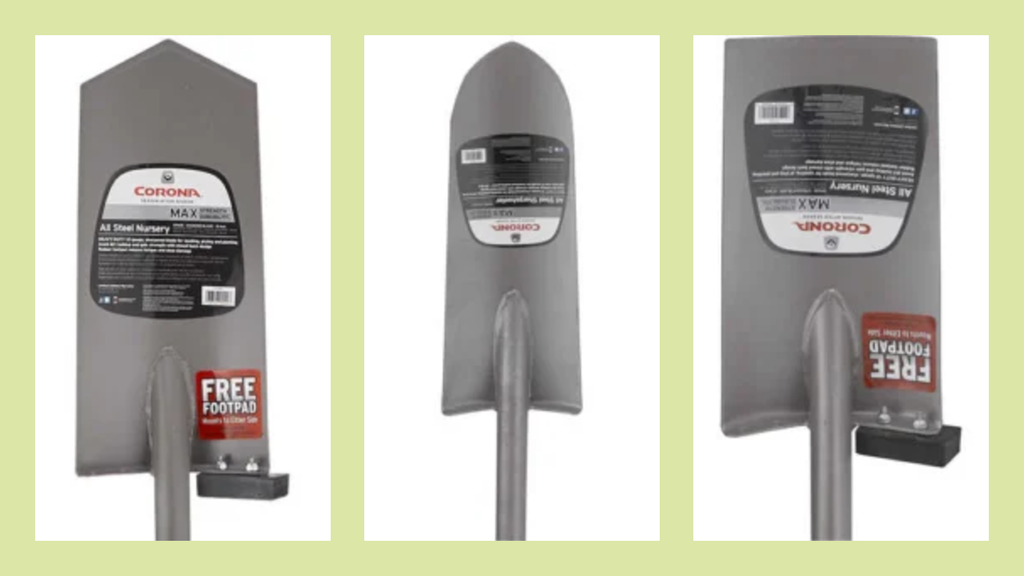
A drain spade — also called a sharp shooter shovel — is a narrow-bladed digging tool designed for one specific purpose: cutting deep, clean, narrow holes and trenches in the ground. Unlike a wide-blade garden spade, the drain spade’s tapered narrow blade concentrates digging force into a small area, allowing crews to:
- Dig narrow post holes and drainage channels without excessive soil removal
- Plant seedlings and saplings in tight spaces
- Cut root balls cleanly during transplanting operations
- Create narrow trenches for irrigation and utility lines in forestry settings
- Work in confined soil areas where a wide spade creates unnecessary disruption
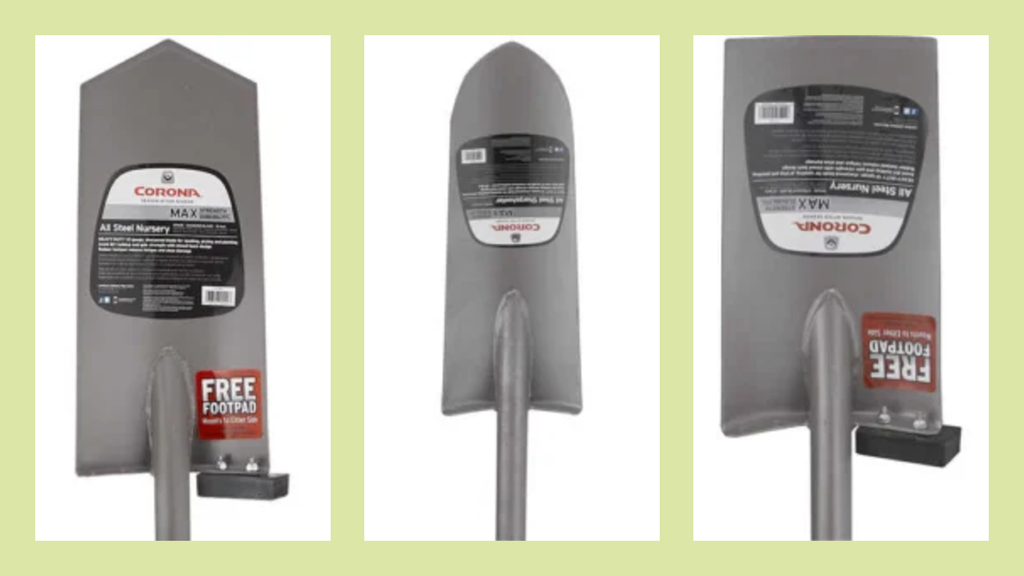
The word “solid shank” refers to the blade-to-handle connection method. A solid shank blade is forged from a single bar of steel — the blade and the shank (neck) are one continuous piece of metal. This construction method is far stronger than socket-and-blade designs where a separate blade is inserted into a metal socket. Under heavy lateral force — when prying roots or working in rocky soil — a solid shank spade holds where socket designs fail.
Full Specifications — All Three Variants
| Specification | 14˝ Blade / 28˝ D-Handle | 16˝ Blade / 28˝ D-Handle | 14˝ Blade / 47˝ Straight Handle |
| Blade length | 14 inches | 16 inches | 14 inches |
| Handle length | 28 inches (D-handle) | 28 inches (D-handle) | 47 inches (straight) |
| Handle style | D-handle | D-handle | Straight |
| Blade construction | Solid shank — single forged steel bar | Solid shank — single forged steel bar | Solid shank — single forged steel bar |
| Handle material | Fiberglass | Fiberglass | Fiberglass |
| Neck reinforcement | Metal collar at neck | Metal collar at neck | Metal collar at neck |
| Handle attachment | Single rivet | Single rivet | Single rivet |
| Best use | Compact spaces, tight planting | Wider drainage cuts, deeper holes | Long-reach digging, overhead leverage |
| OSSSINC Link | Buy Now | Buy Now | Buy Now |
The Solid Shank Advantage — Engineering That Field Crews Depend On
The Forestry Suppliers solid shank drain spade is built around three engineering details that separate it from cheaper alternatives on the market:
Single-Bar Forged Steel Blade
The heavy-duty solid shank blade is forged from a single bar of steel to ensure superior durability on even the most demanding job sites. Forging — the process of shaping steel under extreme heat and pressure — aligns the grain structure of the metal along the blade’s working axis. The result is a blade that resists bending, cracking, and stress fractures under the heavy lateral and vertical forces of professional field digging. A stamped or pressed steel blade — the cheaper alternative — has a grain structure that runs perpendicular to stress lines, making it more likely to fail under hard use.
Reinforcing Metal Collar at the Neck
The neck of a spade — the narrow connection between blade and handle — is where nearly every spade fails. It is the point of maximum stress concentration during prying and levering operations. The Forestry Suppliers solid shank drain spade addresses this with a reinforcing metal collar at the neck that distributes prying stress across a wider area, preventing the handle-to-blade junction from fracturing under load.
Fiberglass Handle with Single-Rivet Attachment
The fiberglass handle is attached with a single rivet to eliminate wood’s primary weakness in field conditions: moisture absorption, swelling, and eventual loosening of the head. Fiberglass maintains consistent dimensions regardless of humidity, wet soil contact, or temperature variation — meaning the handle does not loosen over seasons of field use the way ash or hardwood handles do.
Which Variant Is Right for Your Job?
14˝ Blade / 28˝ D-Handle — Best for Compact and Precision Work
The shortest handle configuration gives users maximum control in confined working areas. The 28-inch D-handle is preferred by field crews who work in densely planted areas, tight drainage installations, or urban forestry environments where overhead clearance is limited. The D-handle grip allows powerful twisting and levering motion with both hands without requiring full arm extension.
Best applications:
- Urban tree planting in confined spaces
- Nursery transplanting operations
- Field survey soil sampling
- Tight-space drainage work
- Work from a crouched or kneeling position
Buy 14˝ Blade / 28˝ D-Handle at OSSSINC →
16˝ Blade / 28˝ D-Handle — Best for Deeper Cuts and Wider Drainage Channels
The 16-inch blade length adds 2 inches of cutting surface compared to the 14-inch variants — allowing deeper single-penetration cuts and slightly wider drainage channels with each thrust. Combined with the D-handle for control, this is the most productive drain spade variant for drainage installation crews who need depth without switching to a full-length straight handle.
Best applications:
- Deep post hole preparation
- Drainage channel excavation
- Root ball cutting on larger specimens
- Repetitive-motion drainage work where depth matters
Buy 16˝ Blade / 28˝ D-Handle at OSSSINC →
14˝ Blade / 47˝ Straight Handle — Best for Standing Work and Maximum Leverage
The 47-inch straight handle allows users to work standing fully upright — reducing lower back fatigue on extended digging operations. The longer handle also increases mechanical leverage, meaning less physical force is required to penetrate hard or compacted soils. For forestry crews doing extended planting operations over large areas, the straight-handle variant is the most ergonomic choice for sustained full-day use.
Best applications:
- Extended tree planting operations
- Wildland fire line trenching support
- Standing-position drainage installation
- Sustained large-area planting programs
- Crews working in soft to moderately compacted soils
Buy 14˝ Blade / 47˝ Straight Handle at OSSSINC →
Who Uses the Forestry Suppliers Solid Shank Drain Spade?
The narrow-blade drain spade format is a standard tool across several professional industries. Understanding where Forestry Suppliers solid shank drain spade are most used helps field buyers match the right variant to their specific operational needs.
USFS and BLM Reforestation Crews Federal land management crews planting seedlings across reforestation project areas use drain spades for their speed and precision. A narrow blade creates a planting hole quickly without disturbing more soil than necessary — critical for seedling survival in disturbed soil conditions. OSSSINC is a SAM-registered federal contractor (CAGE: 9ME14) — federal agencies can purchase these tools under standard government procurement processes with Net 30 payment terms.
Wildland Fire Support Crews During wildland fire operations, support crews use drain spades for creating narrow fire line trenches, exposing mineral soil, and removing vegetation from firebreak corridors. The solid shank construction withstands the sustained hard-use conditions of extended fire operations.
Environmental Science and Field Survey Teams Soil sampling, drainage assessment, and environmental field work all require narrow-hole excavation that preserves the surrounding soil profile. The drain spade creates clean-walled holes with minimal soil disturbance — essential for valid sampling.
Nursery and Landscaping Professionals Root ball digging, transplanting of established plants, and tight-space landscape installation are all everyday nursery uses for the sharp shooter format. The 14-inch blade variants are particularly favored for nursery transplanting work.
Municipal Forestry and Parks Departments City and county urban forestry programs use drain spades for street tree planting, park replanting, and maintenance work in paved and confined soil environments. The compact D-handle variants excel in these settings.
Forestry Suppliers Drain Spade vs. Standard Shovel — Why the Right Tool Matters
Many buyers ask whether a standard shovel can substitute for a drain spade in field applications. The honest answer is no — and here is why:
| Factor | Forestry Suppliers Drain Spade | Standard Garden Shovel |
| Blade width | 4–5 inches — narrow, precision cut | 8–10 inches — wide, general purpose |
| Blade construction | Solid shank — single forged bar | Socket construction — blade inserted separately |
| Penetration in hard soil | High — narrow blade concentrates force | Lower — wide blade distributes force |
| Soil disturbance | Minimal — clean narrow hole | High — removes wide column of soil |
| Leverage and prying | Superior — solid shank handles prying | Limited — socket head risks separation |
| Handle durability | Fiberglass — moisture resistant | Usually wood — swells, loosens over time |
| Best use | Professional field and forestry work | General home garden use |
For any professional application — forestry, reforestation, drainage, nursery, or field science — the drain spade format is not interchangeable with a standard shovel. The width, construction, and intended use are fundamentally different.
Drain Spade Safety Guidelines
According to OSHA’s hand tool safety guidelines, proper tool use and inspection is required for all field digging operations. Follow these practices when using any drain spade on a job site:
- Check underground utilities before digging — call 811 (USA’s national underground utility locate service) before any digging operation
- Inspect the handle before each shift — check for cracks, loose rivets, or handle wobble
- Wear safety boots — the spade step can cause foot injury without steel-toed footwear
- Maintain the blade edge — a sharp blade requires less force and reduces injury risk from slipping
- Store correctly — hang or rack tools to prevent blade-down storage that dulls edges and creates trip hazards
Why Buy From OSSSINC?
OSSSINC (One Stop Shop Solutions Inc) is a SAM-registered federal contractor based in Rehoboth Beach, Delaware, supplying professional forestry tools, IT hardware, wildland fire gear, and field equipment to commercial buyers and government agencies across all 50 US states.
What makes OSSSINC the right source for field tools:
- ✅ SAM Registered — CAGE: 9ME14 | UEI: QGV1XE1RXLN4
- ✅ Government purchase orders accepted — Net 30 for qualifying federal, state, and local agencies
- ✅ TAA-compliant sourcing through authorized distributors
- ✅ Ships to all 50 US states from our Delaware location
- ✅ Authorized product sourcing — genuine manufacturer products only
- ✅ 30-day returns — no restocking fees on authorized returns
Browse All Wildland Fire & Field Equipment at OSSSINC →
Also available at OSSSINC — compare with the King of Spades Balling Spade and the Wolverine All-Steel Long-Handled Spade for your complete field tool setup.
Frequently Asked Questions — Forestry Suppliers Solid Shank Drain Spade
Q: What is the difference between the 14˝ and 16˝ blade variants? The 14-inch blade is ideal for standard planting holes and narrow drainage channels. The 16-inch blade provides 2 additional inches of cutting depth per thrust — better for deeper excavation and wider drainage installations. Both use D-handles of the same 28-inch length.
Q: Why choose a D-handle vs a straight handle on a drain spade? D-handles give you two-handed grip control and are better for precision, confined-space work and twisting/levering motions. Straight handles at 47 inches allow standing posture, better leverage in soft to medium soils, and are more ergonomic for extended large-area planting work.
Q: Is the fiberglass handle stronger than wood for field use? Yes. Fiberglass does not absorb moisture, does not swell or shrink with temperature changes, and maintains its dimensions across seasons of field use — meaning the rivet attachment stays tight. Wood handles loosen over time in wet field conditions as the wood swells and contracts repeatedly.
Q: Can I use the Forestry Suppliers drain spade for wildland fire line work? Yes. The solid shank construction and narrow blade are suitable for mineral soil exposure and narrow fire line trenching. The 47˝ straight handle variant is preferred for standing fire line work where sustained ergonomic operation is needed.
Q: Can federal agencies purchase from OSSSINC? Yes. OSSSINC is SAM-registered (CAGE: 9ME14) and accepts government purchase orders, GPC/SmartPay cards, and Net 30 payment terms for qualifying federal, state, and local government buyers. Contact [email protected] for procurement assistance.
Q: What other professional spades does OSSSINC carry? OSSSINC carries the full range of professional spades including the King of Spades series, Corona MAX Steel Spades, and the Wolverine All-Steel Long-Handled Spade.
External references: Forestry Suppliers — Official Product Page | OSHA Hand Tool Safety | Call 811 Before You Dig — USA
OSSSINC | One Stop Shop Solutions Inc | SAM Registered | CAGE: 9ME14 | Rehoboth Beach, Delaware | (302) 567-4434 | [email protected] | osssinc.com
